Category: Bathroom Remodel

  • Tempted to Use a Bathtub Liner in Your Bathroom Remodel?

    Tempted to Use a Bathtub Liner in Your Bathroom Remodel?


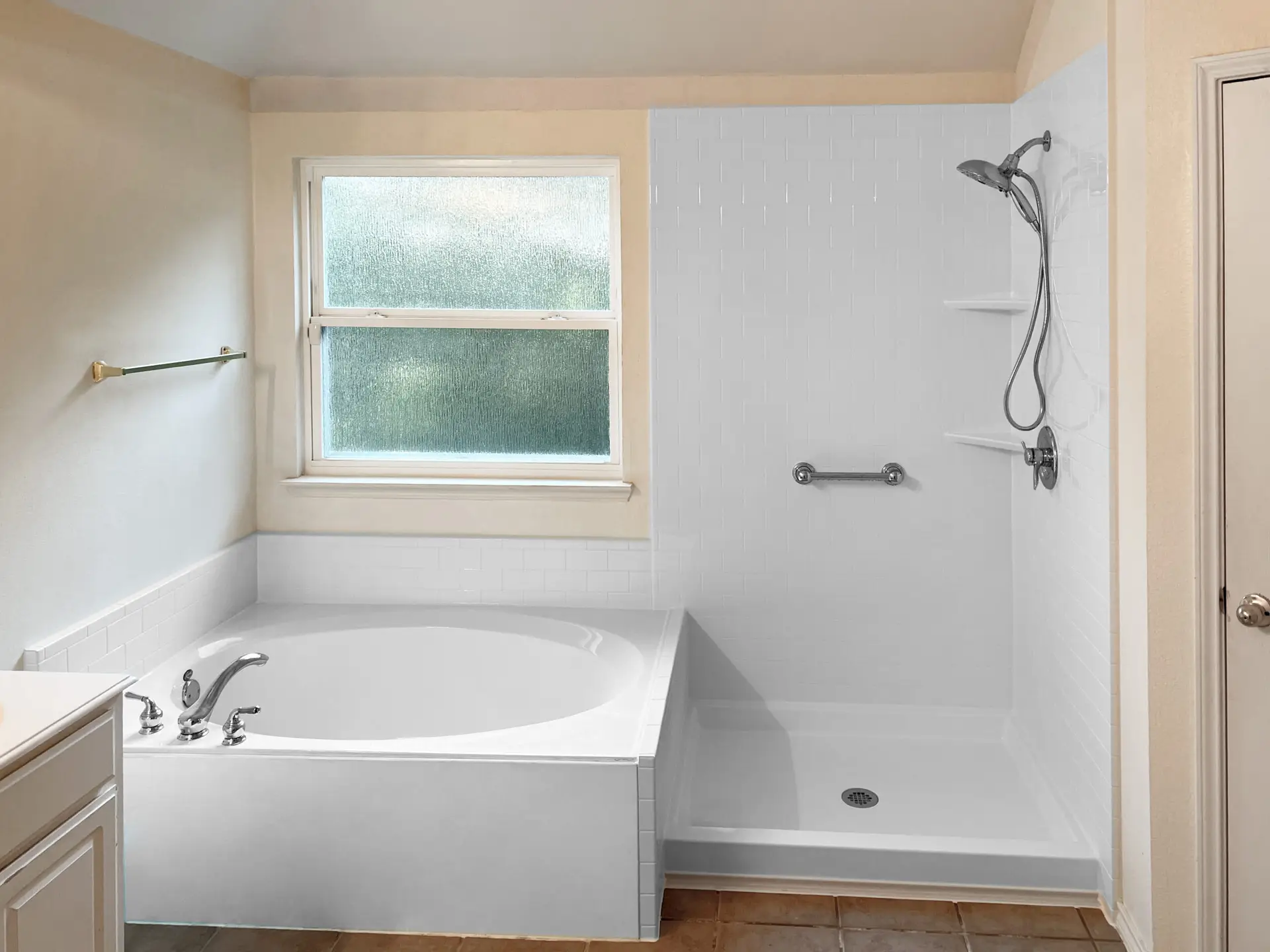
    There comes a time when everyone’s bathroom is in desperate need of a remodel or improvement. While the process is exciting, it can be overwhelming to pick out materials and balance your needs and wants. One quick-fix approach is to use a liner instead of a full bath replacement. But you could be covering up a problem that will never go away. Before you decide, learn why bathtub liners are a bad idea and how Expo Home Improvement does what is right and safe for your bathroom.

    What is a bathtub liner?

    Essentially, a bathtub liner is a custom acrylic insert that can be installed right on top of your existing bathtub or shower. When installed, it requires very precise measurements to achieve a perfect fit over your existing fiberglass, pressed steel or cast-iron bathtub. This kind of installation doesn’t require your old tub to be removed. The liner is glued down with strong adhesives and tape to the old tub and wall, possibly hiding big issues lurking in your bathroom.

    Usually, bathtub liners are created with PVC or acrylic materials. These are distinctly different from the material Expo Home Improvement products are made from. All of our solid surface acrylic products are created to be sanitary and have Silver Shield™ anti-microbial protection. This technology weaves silver ions throughout the acrylic material, which naturally prevents the growth of mold and mildew.

    Are bathtub liners sanitary and hygienic?

    Considering the way that liners are installed, sanitation and hygiene are a top concern. If the seal between your existing tub and the liner isn’t rock-solid, it could allow water to flow into cracks and linger between the two. Then you’ll be dealing with mold, mildew, bacteria, and possibly even a funky smell. The worst part is that in order to address the issue, you’ll need to remove the liner. All of this adds up to lost time, money, and energy. So, it’s worth considering whether a replacement tub is a better option.

    Do liners require installation by a plumber?

    Installation of a liner does not have to be performed by a plumber, and there’s no rigorous certification process to become a bathtub liner installer. On the other hand, when you replace your bathtub with Expo Home Improvement, your work is completed by master plumbers supported by highly trained professionals who have served over 11,000 Texan families.

    While demolition and extensive plumbing isn’t required for a bathtub liner, one concern is that you may literally be covering up issues in your bathroom. This is why Expo Home Improvement’s master plumbers complete work on any bathtub replacements. During the process, they are able to detect and address any plumbing issues that could cause mold, mildew, or an expensive leak in the future. If your bathroom remodel includes removing tile, surrounds, or other surfaces, it is a wise investment to install a new tub so you have peace of mind. You can also avoid putting money down the drain by making the wiser and safer choice first!

    Have questions about replacing your tub?

    Before you waste precious time, money, and energy on your bathroom remodel, reach out to our pros at Expo Home. We’ll do more than just cover up the problem: we’ll solve it. Let us point you in the right direction and find a bathtub replacement solution that’s sanitary, long-lasting, and fits your budget.
  • The 7 Steps Involved in a Shower Installation

    The 7 Steps Involved in a Shower Installation

    Even the most adventurous home improvement DIYers will stay away from a shower installation, due to the highly complex process and equipment/expertise involved. But some of us still need more convincing.

    As a company that has installed thousands of showers for Texas homeowners, we know a thing or two about how time-consuming and involved they can be—especially for those who haven’t installed a new shower before.

    Here are the steps involved in a shower installation to show you why hiring a home improvement company is the better option.

    1. Planning

    The first step in any shower installation project is a thorough assessment of the space for measuring and planning. This includes evaluating existing plumbing, electrical connections and structural integrity of the walls. Everything must be compatible with the new shower design and factors like size, layout and features are taken into account.

    2. Demolition

    The area must then be prepped for the installation by removing any existing fixtures, tiles or enclosures. Demolition must be carried out carefully to avoid damaging surrounding surfaces (a common mishap for DIY shower installers). There must be a clean slate for the new shower.

    3. Plumbing/Electrical

    Once the space is cleared, rough-in plumbing and electrical work are performed to accommodate the new shower fixtures and accessories. This can involve draining pipes, testing water supply lines and ensuring electrical wiring will be safe with the planned layout and specifications. Importantly, the plumbing and electrical work must also adhere to applicable city and state codes. This ensures your safety and is something that inspectors look for if you ever plan to sell your home.

    4. Shower Pan Install

    A waterproof base is the foundation of any shower. Also known as the “”shower pan,”” this base requires precise measurements and proper slope to ensure efficient water drainage (and to prevent leaks).

    5. Wall Prep

    The walls also must be prepped for shower fixtures like faucets, showerheads, handles and more. You must carefully install these components, as they’re essential for optimal shower performance and longevity. Precision and expertise are important here to ensure proper alignment and functionality.

    6. Fixture Install

    Next, those fixtures mentioned above (faucets, showerheads, handles, etc.) must be installed as well. Attention to detail is crucial and they must be sealed to walls and/or tiles properly to ensure a watertight enclosure.

    7. Testing and Final Touches

    Lastly, finishing touches like caulking, grouting and sealing must be applied, followed by a thorough inspection and testing. Proper caulking and grouting take expertise to look professional and many DIYers aren’t able to achieve this. If all components are functioning correctly—and there are no leaks or other issues—the shower is good to go and ready for use.

    This is just a summary of the steps involved in a shower installation . If you’d prefer a professional shower installation instead, contact Expo Home Improvement for a no-obligation quote today.

  • Should You Have Windows in the Bathroom?

    Should You Have Windows in the Bathroom?

    Whether you’re considering adding windows for bathroom renovations on your current home or building a new home, a very common question that homeowners find themselves asking is, “Do you have to have a window in the bathroom ?” The short answer is yes.

    Why does a bathroom need a window? Bathrooms hold a lot of moisture and accumulate a lot of humidity, and windows provide a natural form of ventilation. If the moisture isn’t released, it can damage the foundation of your home and lead to mold, which is harmful to not only your home, but also potentially your health. Installing a fan system is one way to help prevent mold, but windows are the easiest and best option for proper ventilation.

    What are the benefits of having windows in your bathrooms?

    The main reason your bathroom needs at least one window is to remove moisture from the air. Removing air moisture prevents wood rot and can also prevent illnesses among the members of your household. But in addition to keeping your home and family healthy with a clean and breathable atmosphere, there are other benefits of having windows in your bathroom.

    Windows for the bathroom: Let there be light

    Windows add natural light to your bathroom, which not only makes the room more welcoming and comfortable, but can also make a small bathroom look more spacious! Windows also add dimension to the room and make it feel less claustrophobic. Even the addition of small bathroom windows can improve the functionality and aesthetic of your bathroom. Combined with bathroom mirrors, you can visually expand the space in your bathroom and quite literally lighten up the space.

    What are the best bathroom window types?

    When deciding what kind of window to add to your bathroom, you have a lot of options to choose from. So how do you narrow down what bathroom window types would work best for your home? Typically, the windows that work best in a bathroom are these varieties:

    1. Picture bathroom windows

    Picture windows are a great choice if you live on some acreage or have trees and shrubbery on your property that offer a good amount of privacy. Picture windows are larger than a standard window, are stationary, don’t have gridlines, and let in a ton of natural light. They work great behind a bathtub or near a vanity and can let you enjoy an outdoor view while taking a soak in the tub.

    2. Awning bathroom windows

    Awning bathroom windows have hinges at the top of the window that allow them to swing open from the bottom. Because they open from the bottom, they can be left open all the time, even during a rainstorm, and rain won’t get inside your home. This style of window can be utilized the most because of this function. They’re a great addition for your first floor or basement bathroom because they provide privacy and can brighten up a dark space.

    3. Double-hung bathroom windows

    Double-hung bathroom windows are a great option for a few reasons. They’re compact in size, and they open via a sash, as opposed to swinging open, which is great if you have a smaller-sized bathroom. They can be opened from the top or the bottom, which allows for optimized airflow. If you want to let warmer air in, you open the top sash. If you want to let cooler air in, you open the bottom sash. Because of their versatility, double-hung windows allow your bathroom to ventilate effectively. When installing double-hung bathroom windows, you should definitely consider getting privacy glass as well.

    4. Sliding bathroom windows

    Sliding bathroom windows are similar to double-hung bathroom windows, but instead of opening top to bottom, they open from side to side. They have a lot of the same benefits, and they’re compact so they won’t take up much space. Sliding bathroom windows are the most affordable option for bathroom windows, plus they offer great light, efficiency, and ventilation. Privacy glass should be used for sliding bathroom windows, too.

    The thought of having a window in your bathroom can seem counterintuitive; a bathroom is a place that requires privacy, after all, but privacy can still be achieved by utilizing proper window size and placement, using privacy glass, and the right bathroom window type.

    The benefits of including a window in your bathroom are plentiful, and the health of your family — and your home — will improve when you do. Ready to think about lightening up your bathroom with some new or replacement windows? Schedule an appointment today to get a free quote.

  • Should You Use a Contractor or Company for Bathroom Remodels?

    Should You Use a Contractor or Company for Bathroom Remodels?

    When it comes to any type of home improvement, whether remodels, renovations, additions or new builds, you usually have the choice of an individual contractor (with subcontractors) or a home improvement company.

    Which is better? It depends. While we can’t let you know which shade of tan evokes the most accurate feeling of a desert in your bathroom, we can help you decide whether you should use a contractor or company for bathroom remodels.

    Advantages of Bathroom Contractors

    Using a contractor for bathroom remodels has certain benefits, among them the fact the contractor usually specializes in one area while a company specializes in multiple areas or hires out multiple roles to handle them. Two other big advantages to using a bathroom contractor are cost control (it’s usually going to be cheaper) and flexibility (you better hope they’re not in the middle of a big job already).

    Advantages of Using a Bathroom Remodel Company

    Using a professional home improvement company, on the other hand—especially one that specializes in bathroom remodels—has certain advantages that you just won’t get with a bathroom contractor. Here are some of the advantages of using a bathroom remodel company for your next bathroom renovation:

    • They can provide comprehensive or complimentary services.

    • The process is potentially streamlined and more efficient.

    • You get access to multiple areas of expertise and a manager.

    • There are usually fewer delays than with a contractor.

    Making the Right Choice for Your Bathroom Remodel

    Ultimately, the decision between using a contractor or a remodeling company boils down to your project’s size, complexity and your personal preferences. If you have a clear vision of what you want to get accomplished, then expertise and budget might be your top priorities. Or, if you’re open to ideas and direction, experience and reputation might be the top concern. Do your research and take some time to make the right choice for your bathroom remodel before rushing into a decision quickly.

    These are just a few factors to consider. If you have a bathroom remodel planned, contact Expo Home Improvement with any questions or to receive a no-obligation quote. We’d love to help you out, or at least point you in the right direction for a solution that will serve you best.

  • How Long to Leave A Bathroom Fan On

    How Long to Leave A Bathroom Fan On

    Bathroom fans serve two primary purposes, to remove odors, and to extract warm, moist air from the bathroom, the latter being the more important of the two. After taking a long, hot shower, your bathroom will be filled with warm, moist air that can not only cause damage to the surfaces and fixtures in your bathroom, but also encourages mold growth. However, by turning on the bathroom fan, you can draw out the moisture from your bathroom, reducing the chances of causing any damage. But how long should you leave the bathroom fan on for? Well, depending on the size of your bathroom, the time may vary a little, but the general consensus is that leaving the fan running for about 20 minutes after a shower is long enough to remove the moisture from your bathroom.

    Expo Home Improvement Installs Beautiful Showers for Homeowners in the Dallas-Fort Worth and San Antonio Areas

    If you’re ready to turn your old and outdated shower into the shower of your dreams, look no further than the experts at Expo Home Improvement. When you decide to work with us, you will get a shower that you’ll be sure to love because our showers are:

    • Customizable – You can customize your shower with a variety of options to meet both your tastes and your needs, including colors, tile patterns, and a large selection of accessories.
    • Durable – Our showers are made from a durable nonporous acrylic material that is resistant to staining, cracking, chipping, and fading.
    • Easy to clean – Our showers are infused with an antimicrobial technology that is resistant to the growth of mold, mildew, and bacteria, so you can keep your shower clean by simply wiping it down with a rag and some cleaner from time to time.

    To learn more about the showers we install for homeowners in the Dallas-Fort Worth and San Antonio areas, as well as throughout Central Texas, contact Expo Home Improvement today.

  • Shower-Tub Combination vs. Traditional Shower: Which Is Better?

    Shower-Tub Combination vs. Traditional Shower: Which Is Better?

    Some upgrades have a bigger return on investment than others. For example, we all have that avocado slicer, cherry pitter or other random kitchen tool that doesn’t get used more than once. But if you make a lot of guacamole or are an ice cream fanatic, these devices can be valuable since they’re used often.

    The same applies to home improvement. For example, is upgrading to a shower-tub combination worth it? It depends on how much you use it (and what is most important to you). Let’s discuss how shower-tub combinations are different from traditional/walk-in showers, as well as the advantages both options offer.

    Differences Between Shower-Tub Combos and Traditional Showers

    For starters, what is the difference between these two shower remodel options? Most people are familiar with a traditional shower. Also known as a walk-in shower, this is usually one of the standard options in homes, especially for guest bathrooms. A shower-tub combination, on the other hand, is exactly what it sounds like: a combination shower and tub. Instead of a walk-in design, however, the bottom has a tub where you can take a bath.

    Advantages of a Traditional Shower

    Most people are familiar with a traditional shower design. There are a few advantages of having a traditional shower in your home. Here are a few of them:

    • Space: There is less space required for a traditional shower than a shower-tub combo.

    • Aesthetics: While any type of shower can be beautiful, traditional showers tend to be more sleek and modern due to the absence of a tub.

    • Safety: You don’t have to step over a tub to get into a traditional shower.

    • Functionality: They are ideal for people who don’t take baths very often.

    • Savings: These showers are more affordable and use less water than baths (if you keep them short, that is).

    That being said, a traditional shower will not increase your home value as much or provide certain benefits that a shower-tub combination upgrade does.

    Advantages of a Shower-Tub Combo

    Shower-tub combinations are an upgrade most people know well, but they aren’t quite as common due to being a little more expensive to install. Here are some of the advantages of installing a shower-tub combo in your home:

    • Convenience: You have the option of taking a bath or a shower each time you use it.

    • Value: Your home’s value will potentially increase more with a shower-tub combo than a traditional shower, as consumers value the presence of a tub.

    • Customization: You can make your bathroom your own and put your own style stamp on it with your decor choices. You can also choose materials, finishes and more.

    If you’re planning a shower remodel or want a shower-tub combination in the near future, contact Expo Home Improvement for a project quote.

  • Why Switch to a Walk-in Tub

    Why Switch to a Walk-in Tub

    Remodeling a bathroom is a huge undertaking. It takes time, money, and above all, patience. You may want to save yourself the headache of installing a new bathtub by making due with your current tub for as long as possible, but that may not be the best choice, even if it is an economical one.

    There are a few reasons why you should seriously consider switching to a walk-in tub.

    Safety

    The bathroom is a deceptively dangerous place. Traditional tubs and showers can make the floor extremely slippery, increasing your chances of experiencing a fall. Add to that the fact that climbing in and out of a basin-style tub is a huge tripping hazard, and it’s easy to see why more accidents happen in the bathroom than any other room in the home.

    A walk-in tub can drastically reduce the possibility of slips and falls in the bathroom, allowing you to maintain your independence.

    They are constructed with a convenient swinging door, eliminating the need to step over a deep threshold in order to enter the tub. A convenient seat prevents you from getting up and down out of the tub, which can be extremely difficult for arthritic knees, while grab bars can help keep you steady on your feet. There really is no safer way to bathe.

    Luxury

    Making your bathroom safer is a huge benefit of walk-in tubs, but don’t think for an instant that just because the tub is safer doesn’t mean it isn’t luxurious. As a matter of fact, many walk-in tubs are more luxurious than standard tubs!

    Walk-in tubs can include:

    • Hydrotherapy jets
    • Pure air technology
    • Heated air systems that keep the water warm
    • Removable shower heads with multiple settings

    Walk-In Bathtubs Are More Affordable Than You Think

    Cost is usually a determining factor in whether or not someone goes through with a walk-in tub installation, but don’t think that it’s out of your reach.

    The bath systems from Expo Home Improvement are more affordable than you think, especially since we offer multiple financing options. Discover how we can fit a walk-in tub into your budget by giving us a call and scheduling a free consultation today!